Sports Massage Now Available

We are pleased to announce the Mike Squirrell Physiotherapy and Sports Injury clinic is now offering Sports Massage therapy at both of our clinics in London City and Mayfair W1.

Sports Massage Therapy 30 Minutes   £45

To arrange a sports massage at our London City clinic please call to book an appointment

Sports Massage Therapy 60 Minutes   £70

To arrange a sports massage at our London City clinic please call to book an appointment

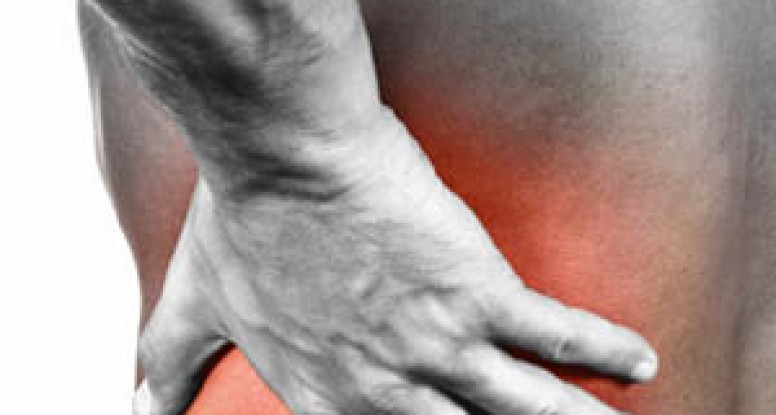
Acute Lower Back Pain

Low back pain or lumbago is a common musculoskeletal disorder affecting 40% of people worldwide at some point in their lives. Low back pain (often abbreviated as LBP) may be classified by duration as acute (generally pain lasting less than six weeks), sub-chronic (six to 12 weeks), or chronic (more than 12 weeks). The condition may be further classified by the underlying cause as either mechanical, non-mechanical, or referred pain. For most episodes of low back pain, a specific underlying cause is never identified or even sought, and the pain is attributed generally to mechanical problems such as muscle strain or joint sprain. The management of low back pain typically includes the use of medications for the duration that they are beneficial, and expert groups recommend the use of acetaminophen as the first thing to try. With conservative measures, the symptoms of low back pain typically show improvement within a few weeks from onset.

Holidays and hip/back pain

In Australia. July/August, is called Christmas in July. The reason we call it Christmas in July is because it is cold, Australians can drink egg nog and really enjoy what christmas should really feel like in the northern hemisphere. In England, August is the month to travel, where Londoners pretty much “evacuate” this town.

When we travel we often make the most of the “carry on” only option as airfares are cheaper.
Patients can often come into the clinic with acute lower back pain or feeling that their body “feels twisted” from carrying bags on one side. Or patients can often experience neck and shoulder pain after two weeks of carrying a massive 15 – 20 kg backpack.

In my opinion and from my experience traveling, the worst thing one person can do is to carry a duffel bag (10kgs) on the shoulder, throught the tube from the house to the airport to the hotel. Second worst option is to carry a backpack constantly for 2 hours, without rest breaks.

My tips on traveling over the summer:
If you are carry 10 – 12kgs – invest in a wheelie suitcase, especially ones with 4 wheels. (Yes you have to carry them up and down stairs, or even better, use the lift), but your shoulders and neck will thank you for it. Make sure you brace your abdominals when lifting the suitcase.

If carry a backpack – make sure you set it down regularly (beware of thieves)

If you carry a duffel bag, regularly swap sides. A heavy duffel bag can place stress on your shoulder joint and the neck if carried on one side for a prolonged period.

These are my tips and pointers as a physiotherapist from traveling across europe. I hope you enjoy your August break y’all!

SAM LING – PHYSIOTHERAPIST – WIMPOLE ST

Pillows and neck pain

Many of my patients ask me, what pillow should I use? How should I sleep? Is sleeping on my back bad for me?

I often answer, the way you sleep should often be the least of your worries. When you fall asleep, your mind should be switched off. Who knows, you may end up on your tummy when you wake up.

However, when you do sleep, if you have back pain, it is often recommended that you sleep on your side with a pillow between your knees. If you have to sleep on your back, then sleep with your legs elevated.

For me, a person with wide shoulders and chest wall, it is important that my neck is well supported when I do fall asleep so that I can give my neck muscles a rest from holding the watermelon sized head all day.

After doing some research, I decided to go ahead with trying the 66fit physio memory foam pillow, under popular demand from patients.

After shopping online to find the best deal (as most people do), I finally received my memory foam pillow via post two days later.

On the overall, I rate this pillow a 6/10 in terms of neck support, foam quality and size. I feel that perhaps, I would benefit from having a slightly larger pillow.

In addition to my verdict, I would also like to add the following tips:

1. When shopping for pillows, perhaps it would be a better idea to try the pillow out first (be it an ergonomics shop or John Lewis).

2. Never use the pillow as a back rest or lean your entire body weight on the pillow. (My house mate did as this caused the foam to flatten and it needed a few days for it to return to its original shape).

3. The most expensive pillow may not always mean the best pillow. Purchase what feels comfortable and theoretically, your ear, shoulder and hip should be aligned when sleeping on your back.

I’m still on the search for a good pillow, but this will do good for me now.

– Sam Ling –

I am only human

Hi all. I’m Sam Ling and am one of the Physiotherapists working on Wimpole street, Marylebone. I’m starting up an exciting blog which will feature my thoughts on various products which patients have asked me to review. I will also be posting information on interesting facts on the treatment of various injuries and even provide an insight to how I as a physiotherapist look after my body or treat my own injuries, as I AM ONLY HUMAN. Watch this space!!!

Sam

Page 2 of 3123